

26 févr. 2026
Racing the clock: how project controls keep data center delivery on time and on budget


We believe that value should be treated as a dedicated area within Project Controls, with its own tools, techniques, and process steps. A structured framework is needed to allow organizations to define, measure, and realize value across the entire project lifecycle.

This blog offers a view into how Value is addressed within the broader Proove Project Controls Framework, providing a practical approach that bridges the gap between business intention and actual realization. It is built on Proove’s own Value Management principles, and aligns with the framework of Benefits Realization Management, as defined by PMI.
As Harold Kerzner preaches, modern project management must evolve from simply delivering outputs to delivering (measurable) benefits. Traditionally, project success has been measured by adherence to scope, time, and budget. Yet, meeting this triple constraint does not guarantee that a project will deliver its intended benefits or fulfill its purpose, which is exactly what creates value for stakeholders. This perspective is embedded in our Essentials training, where we state “Value means that projects should ultimately fulfill the underlying business case, not merely the contract”.
An example is the Charleroi Metro network in Belgium. Charleroi built several metro lines and stations in the 70s–90s that were completed but never meaningfully used. The infrastructure was delivered, but the expected value (urban renewal, shift to public transport, economic growth) never materialized. A textbook case of outputs without outcomes.
Whether value is defined in financial terms, strategic outcomes, or societal impact, it should not remain an abstract ambition or a reporting formality. Value should drive how projects are both governed and managed, informing what scope is most worth delivering, and when delivery creates the greatest impact. Value should be a foundation for decisions at every level, including whether to adjust, accelerate, or even halt a project when its anticipated benefits no longer hold. A Value Controls approach should therefore aim to:
Within the broader Proove Project Controls Framework, Value is treated as a distinct knowledge area, just like Scope, Time, Cost, and Risk. Our Value Controls approach transforms the rather vague concept of “value” into a measurable and controllable dimension. Grounded in our own Value Management principles, this part of the framework offers a structured process to ensure that intended benefits are not only defined but actively monitored and controlled.
Our approach to Value Controls is built around three principles:
The purpose is to ensure value is not an abstract goal, but a clearly defined set of outcomes and impact. This includes aligning value with the business case and evolving stakeholder expectations, across both financial and other strategic dimensions.
This principle focuses on registering and tracking any changes, risks, and assumptions throughout the project lifecycle that could threaten the anticipated value delivery.
Here, the emphasis lies on continuously evaluating actual value realization against the defined value baseline. Even before benefits materialize, it’s essential to assess whether the project remains on track to deliver the intended outcomes.
Each step in our framework is structured using the familiar control logic of inputs, tools & techniques, and outputs, ensuring alignment with industry standards (PMI). At Proove, we bring the methods, templates, and expertise to align our approach with emerging practices and apply it effectively on real projects.
The Oosterweel project in Antwerp is a powerful case for the need of an effective Value Controls approach. It's a long-term, high-cost infrastructure investment with large societal implications, from reconnecting urban districts to reducing air pollution and improving mobility. Given the project’s long duration and complexity, one of the biggest risks is losing sight of the value it is meant to deliver.
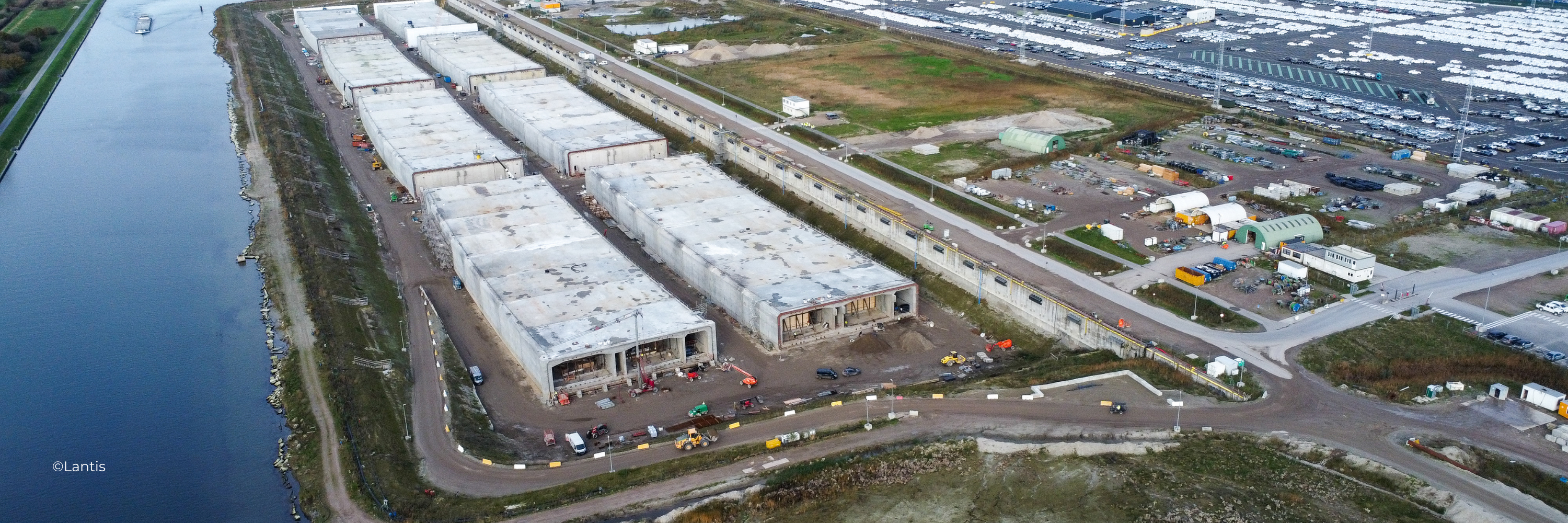
That’s why defining clear value metrics from the start, and revisiting them through each project phase, is critical. Workshops with stakeholders help surface and align expectations around outcomes like air quality improvement, increased usage of public transport, or other environmental and social benefits. These metrics must then be embedded in project controls. They shouldn’t just be measured periodically, but actively reevaluated when timelines shift, budgets tighten, or stakeholder expectations evolve.
And when is value actually realized? For a project like Oosterweel, it’s not at tunnel completion, but when traffic patterns change, emissions drop, and neighbourhoods reconnect. Keeping those targets in focus requires a framework where value is not only defined upfront but actively controlled throughout.
Too often project control disciplines become bureaucratic and lose their purpose. Value reconnects project delivery to the reason the project exists in the first place: to create meaningful impact. When value becomes a control dimension, it informs governance by helping to determine what scope is most worth delivering, when it should be delivered to create the greatest impact, and even whether a project still justifies continuation. The moment we start controlling for Value, we shift from simply delivering project outputs to truly realizing project success.


